
The Complete Beginner’s Guide
If your For You Page has suddenly filled up with chia puddings, bean bowls, and people bragging about “hitting 40 grams,” you’ve already met fibermaxxing. It’s one of the fastest-growing wellness searches this year, and unlike most viral diet trends, this one is actually grounded in solid nutrition science.
Here’s everything you need to know before you jump in.

What does “fibermaxxing” actually mean?
Fibermaxxing is the practice of deliberately maximizing your daily fiber intake — usually by stacking high-fiber foods into every meal rather than treating fiber as an afterthought. The name follows the same pattern as other “maxxing” trends (like sleepmaxxing or looksmaxxing): take one health variable, optimize it aggressively, track your progress.
What makes fibermaxxing different is that it’s not a fad built on pseudoscience. Most nutrition guidelines have recommended 25–38 grams of fiber a day for years, and most people fall well short of that number. Fibermaxxing turns an under-discussed nutrition gap into something people are actually excited to fix.
Why is fiber suddenly such a big deal?
A few things collided at once:
- The gut health boom. Years of gut-microbiome content primed people to care about digestion, and fiber is one of the few things that reliably feeds beneficial gut bacteria.
- Protein fatigue. After years of “protein maxxing” content, fiber is the natural next macro to obsess over — it’s cheap, plant-based, and pairs well with a protein-forward diet instead of competing with it.
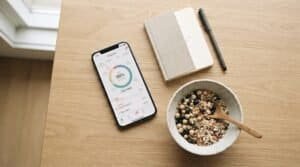
- Simple, trackable wins. Fiber goals are easy to visualize (grams per day), easy to gamify, and satisfying to hit — perfect for a generation that already tracks steps, sleep, and macros.
What are the real benefits of eating more fiber?
Fiber isn’t just an internet trend — it’s one of the most consistently recommended nutrients in mainstream nutrition guidance, associated with:
- Supporting regular digestion and gut bacteria diversity
- Helping you feel fuller for longer after meals
- Supporting healthy blood sugar and cholesterol levels as part of a balanced diet
- Adding volume to meals without adding many calories
How do you start fibermaxxing?
You don’t need to overhaul your diet overnight. Three simple starting moves:
- Add one high-fiber food to breakfast. Swap white toast for oats, or stir chia seeds into yogurt.
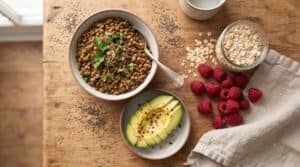
- Make legumes your default lunch add-in. Beans, lentils, and chickpeas are some of the highest-fiber foods available and are easy to batch-cook.
- Track your total for one week. Most people are surprised by how far below 25g they actually are — seeing the number is often the biggest motivator.
For a full breakdown of exactly
how much fiber you need and which foods get you there fastest, check out our guides on how much fiber you need per day and the best high-fiber foods to eat.
The bottom line
Fibermaxxing is a rare case of an internet trend and actual nutrition science pointing in the same direction. Whether you came for the trend or the health benefits, the habit itself — eating more plants, more legumes, more whole grains — is one of the few “diet trends” worth keeping around.