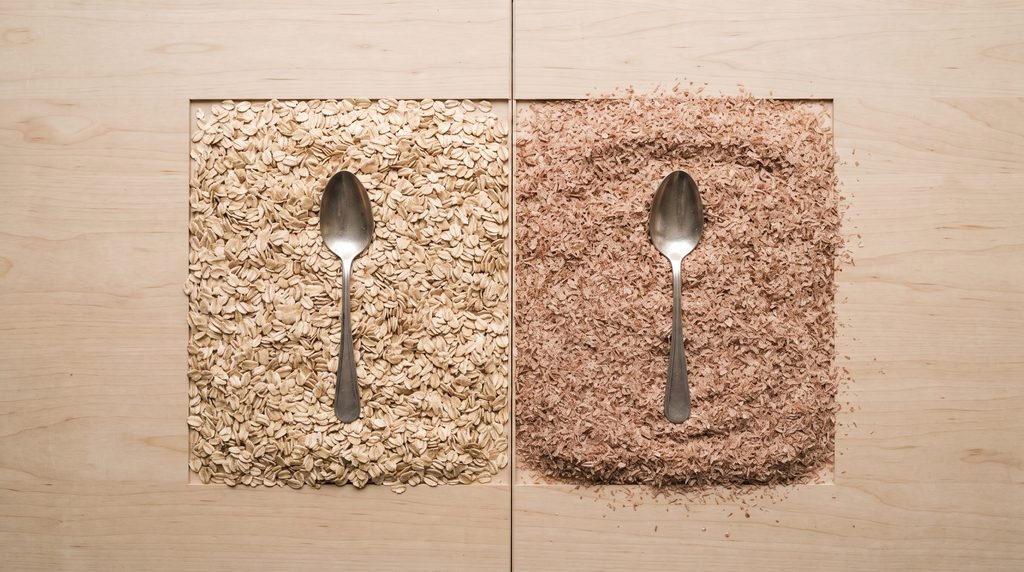
Soluble vs. Insoluble Fiber: What’s the Difference (and Do You Need Both)?

Most nutrition labels just list one number under “Dietary Fiber,” which makes it easy to assume all fiber is interchangeable. It isn’t. Fiber comes in two functionally different types, and understanding the difference explains a lot about why some high-fiber foods make you feel light and others make you feel, well, gassy.

Soluble fiber: the gel-former

Soluble fiber dissolves in water and forms a thick, gel-like substance in your digestive tract. This is the type most closely linked to slowing digestion, extending fullness, and supporting healthy cholesterol levels, because the gel it forms can bind to certain substances (including cholesterol) as it moves through your system.

Found in: oats, chia seeds, flaxseed, beans, lentils, apples, citrus fruits, and psyllium husk.
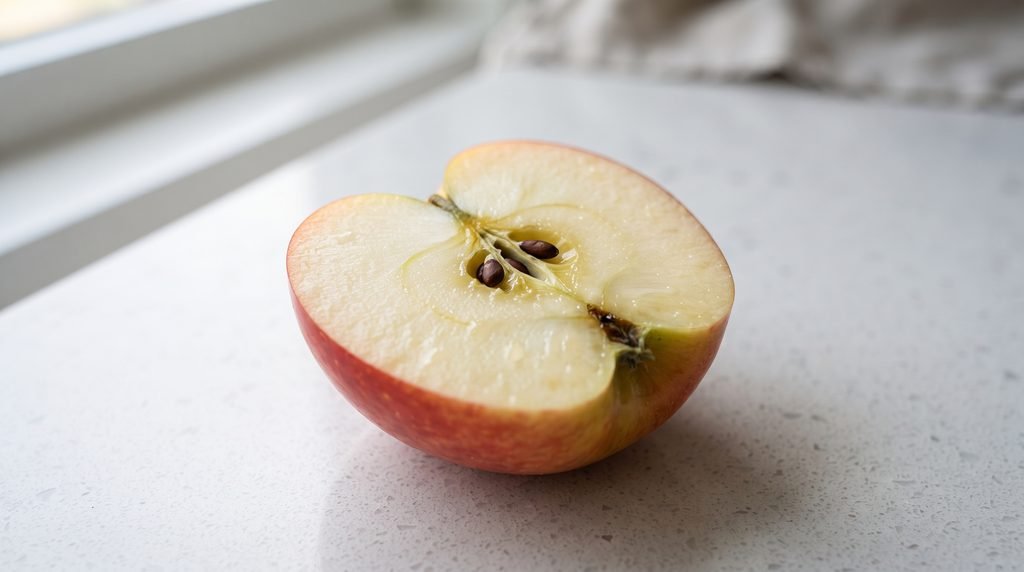
Found in: oats, chia seeds, flaxseed, beans, lentils, apples, citrus fruits, and psyllium husk.

Insoluble fiber: the bulk-adder

Insoluble fiber doesn’t dissolve in water at all — instead, it adds physical bulk to stool and helps food move through your digestive system more efficiently. This is the type most associated with regularity and preventing constipation.

Found in: whole wheat, wheat bran, the skins of fruits and vegetables, nuts, and the outer layers of whole grains.

Why the distinction actually matters

If you’re dealing with constipation, prioritizing insoluble fiber (whole grains, vegetable skins) tends to help more directly. If you’re focused on cholesterol or blood sugar management, soluble fiber (oats, beans, psyllium) is the more relevant type. Eating a wide variety of plant foods naturally gives you both, but if you’re troubleshooting a specific issue, knowing which type does what lets you adjust deliberately instead of guessing.

Most foods aren’t purely one or the other

Here’s the part that trips people up: very few whole foods are 100% soluble or 100% insoluble. An apple, for example, contains both — soluble fiber in the flesh, insoluble fiber in the skin. This is actually a good argument for eating fruits and vegetables with the skin on whenever possible, since peeling removes a meaningful chunk of the insoluble fiber.

FoodTypeNotes
OatsMostly solubleThe beta-glucan in oats is a well-studied soluble fiber
Wheat branMostly insolubleOne of the most concentrated insoluble sources available
Beans/lentilsBothRoughly balanced between the two types
Apple (with skin)BothSoluble in flesh, insoluble in skin
Chia seedsMostly solubleForms a gel when soaked in liquid
FlaxseedBothContains a meaningful mix of each
Do you need to track them separately?

Do you need to track them separately?

For most people, no — nutrition labels don’t even break out the split, and doing so isn’t necessary if your overall diet includes a wide variety of whole plant foods. The exception is if you’re specifically troubleshooting a digestive issue (constipation vs. cholesterol vs. blood sugar), in which case knowing which foods lean which direction gives you a more targeted lever to pull, rather than just “eat more fiber” as a blanket instruction.

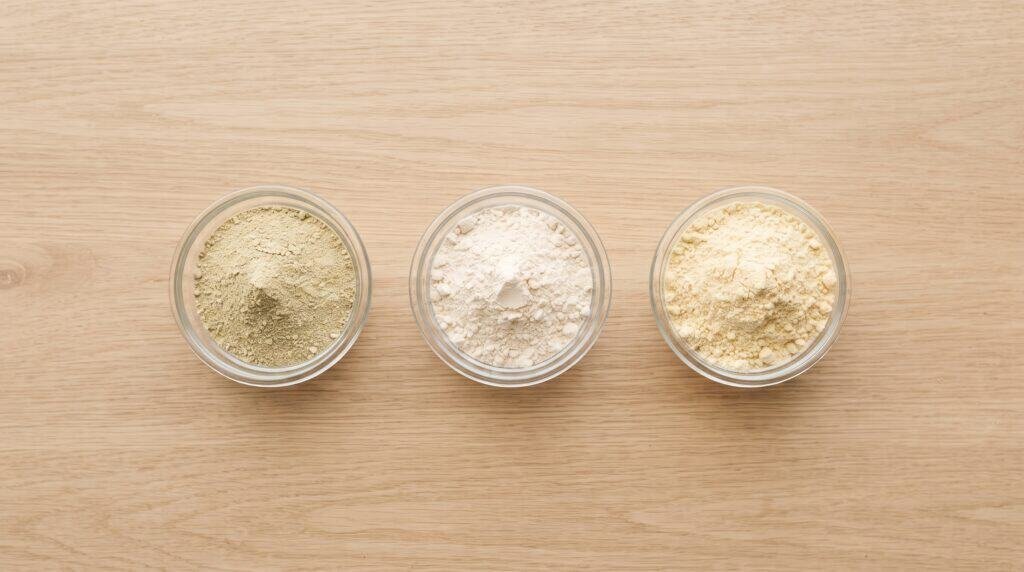
Psyllium vs. Inulin vs. Methylcellulose: Which Fiber Supplement Is Right for You?

Once you start paying attention to your fiber number, the supplement aisle stops looking helpful and starts looking confusing. Psyllium husk, inulin, methylcellulose, acacia — they’re all sold as “fiber,” but they don’t behave the same way in your body, and picking the wrong one for your goal is why some people try a supplement once and never touch it again.

Psyllium is a soluble, gel-forming fiber — it absorbs water and turns into a thick gel in your gut.

Here’s the difference, in plain terms.

Psyllium husk

Psyllium is a soluble, gel-forming fiber — it absorbs water and turns into a thick gel in your gut. This makes it the most well-studied option for supporting regular digestion and, separately, for helping manage cholesterol levels as part of a broader diet.

Best for: People who want the most research-backed, general-purpose option. It’s the fiber most commonly recommended by doctors specifically because of how much clinical data exists behind it.

Watch out for: It needs to be taken with plenty of water — without enough liquid, it can have the opposite effect. Start with a small dose.

Inulin

Inulin is a prebiotic fiber, meaning its main job is feeding the beneficial bacteria in your gut rather than adding bulk. It’s naturally found in foods like chicory root, garlic, and onions, and is often added to protein bars and “high-fiber” packaged foods specifically because it’s cheap and nearly flavorless.

Best for: People focused specifically on gut microbiome health rather than digestive bulk.

Watch out for: Inulin is notorious for causing gas and bloating, more so than other fiber types, because it ferments quickly in the gut. If you’re sensitive to FODMAPs, this is usually the one to avoid or introduce very slowly.

Methylcellulose

Unlike psyllium and inulin, methylcellulose is a synthetic (lab-made) fiber. It’s not fermented by gut bacteria at all, which means it adds bulk without the gas that plant-based fibers can cause.

Best for: People who’ve tried psyllium or inulin and found them too gas-inducing — methylcellulose is the “gentlest” option for sensitive stomachs.

Watch out for: Because it isn’t fermented, it doesn’t feed gut bacteria the way psyllium or inulin do — so it’s a good choice for comfort, not for gut-health goals specifically.

Quick comparison

PsylliumInulinMethylcellulose
TypeSoluble, gel-formingSoluble, fermentable (prebiotic)Soluble, non-fermentable
Gas/bloating riskModerateHighLow
Best forGeneral digestion + cholesterol supportGut bacteria / microbiomeSensitive stomachs
SourcePlant (husk)Plant (root)Synthetic

Do you even need a supplement?

Worth saying clearly: supplements are a backup, not a replacement. Whole foods deliver fiber alongside vitamins, minerals, and water content that a powder can’t replicate — see our full list of high-fiber foods if you haven’t already. A supplement makes the most sense when your diet is already reasonably high in fiber but you’re still falling short of your target, not as a shortcut around eating vegetables.

Worth saying clearly: supplements are a backup, not a replacement.

As always, if you have an existing digestive condition, talk to a doctor before starting any new supplement — some fiber types can interact with certain medications.

Fiber Calculator

FiberMaxx · Daily Tracker

How much fiber did you eat today?

Add what you've eaten and instantly see how close you are to your daily fiber goal.

Your Profile

What You've Eaten Today

Your Progress

0g / 25g goal
You haven't added anything yet.
FiberMaxx — this tool is for general informational purposes only and is not a substitute for medical advice.